
BWH Put Up a Long Fight for Dependency Benefits
On the third day of working for his new employer, an employee lost his life as he was reaching the premises of the business. The insurance company denied dependency benefits for his family, but Steve Welsh of Buzzell, Welsh & Hill put up a long fight to get them the coverage they were entitled to.
A Fatal Accident on the Road to Work
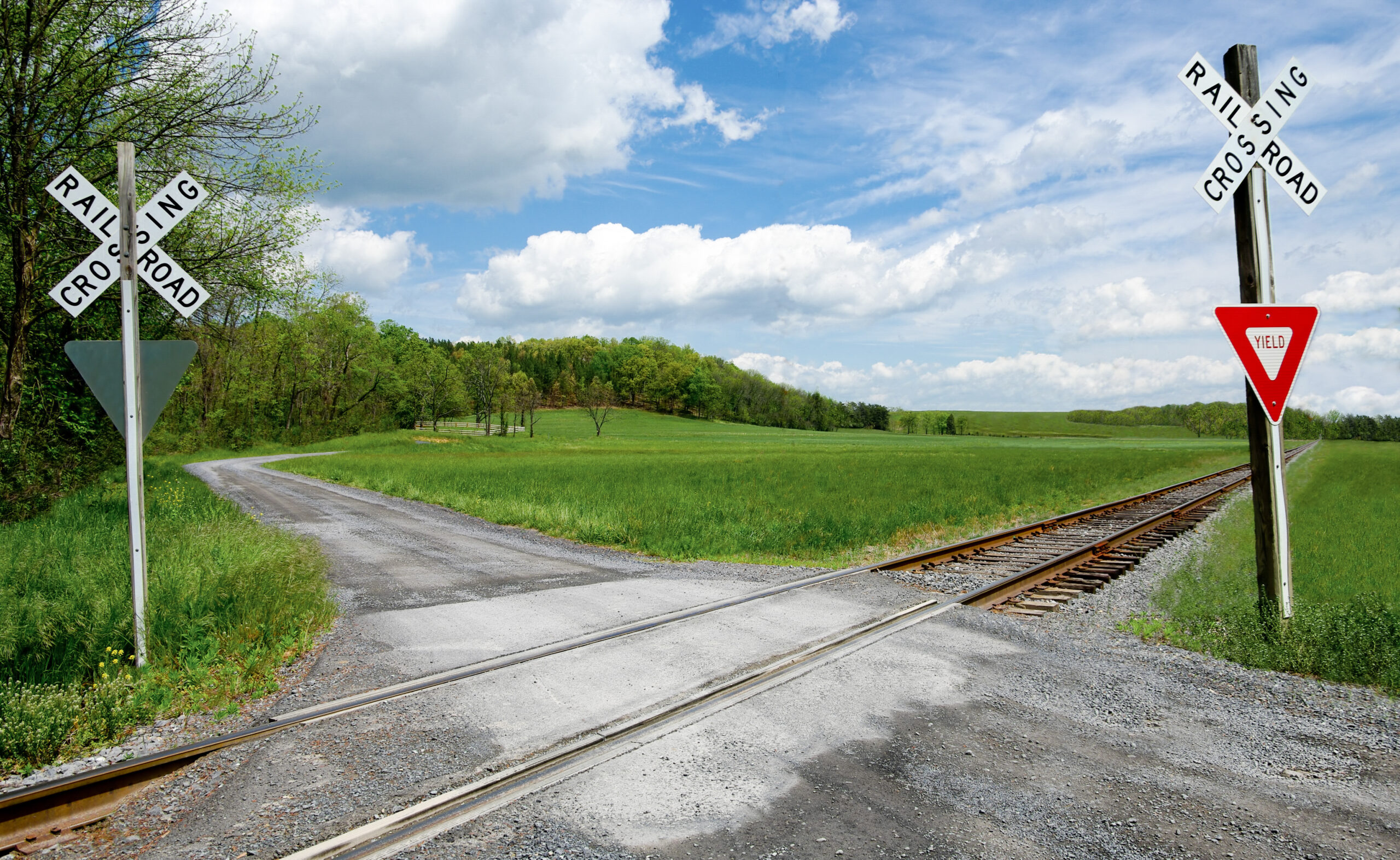
It happened in Houston County on a worker’s third day of employment with a new company. He was taking the only access road to and from the office building when he crossed over railroad tracks and was tragically struck by a train.
His family submitted a claim for workers’ compensation dependency benefits, but the insurance company refused to pay. Their stance was that the incident did not take place on the employer’s property and therefore could not be covered by workers’ comp. So, the family turned to BWH for help.
Discovering Road Ownership and Dissecting the Ingress/Egress Rule
At first glance, it appeared the employee was not on company property at the time of the accident. It’s true that he was on a private access road, which was the only way to get to and from his employer’s building. However, two other companies also shared the road, and the employer in question was not the road’s owner.
Plus, there is the ingress/egress rule tied to workers’ compensation coverage in Georgia. If an employee is injured or killed on the property while entering or exiting the business’s premises, they are covered by workers’ comp. The insurance company claimed that, because the accident occurred on a road the business did not own, the company was not responsible for coverage.
However, Steve and his team dug through records and discovered that the business’s commercial lease included maintenance fees for the access road. The legal definition of “employer’s property” is any property that is owned, controlled, or maintained by the employer. The accident occurred on a road partially maintained by the employer, qualifying the accident as one that took place on company property.
A Long Fight in Several Courts
Steve took the case to a workers’ compensation hearing, wherein the court evaluated all the evidence and ruled in favor of his client. However, the Appellate Division of the State Board of Workers’ Compensation overturned the ruling. The case then went to the Superior Court of Houston County and ultimately to the Georgia Court of Appeals. After about two and a half years in multiple courts, the Georgia Court of Appeals reversed the decision back to the original ruling of the trial court.
It was officially decided that, because the employer helped maintain the access through the commercial lease, the access road was considered the employer’s property and therefore fell under the employer’s workers’ compensation policy.
In the end, the employee’s family received the dependency benefits they deserved as a result of Steve’s dedication to his clients and this case.
No Matter How Many Courtrooms It Takes, BWH Will Fight for You
Losing a loved one due to a work-related accident is unimaginable. Having to then face multiple courts to receive the benefits you’re owed makes the situation even worse. When you partner with Buzzell, Welsh & Hill, our workers’ compensation attorneys take on the burden of that fight, working diligently to the end to advocate for your rights and the justice you deserve.
Additional Success Stories
- How BWH Protected a Truck Driver’s Dependents and His Dignity
- BWH Got a Nurse the Workers’ Comp Benefits She Deserved
- How BWH Fought on Behalf of a Teen in a Work-Related Accident
- A Dog Bite in Irwin County Turned into a Fight for Justice
