
What Is Considered Distracted Driving?
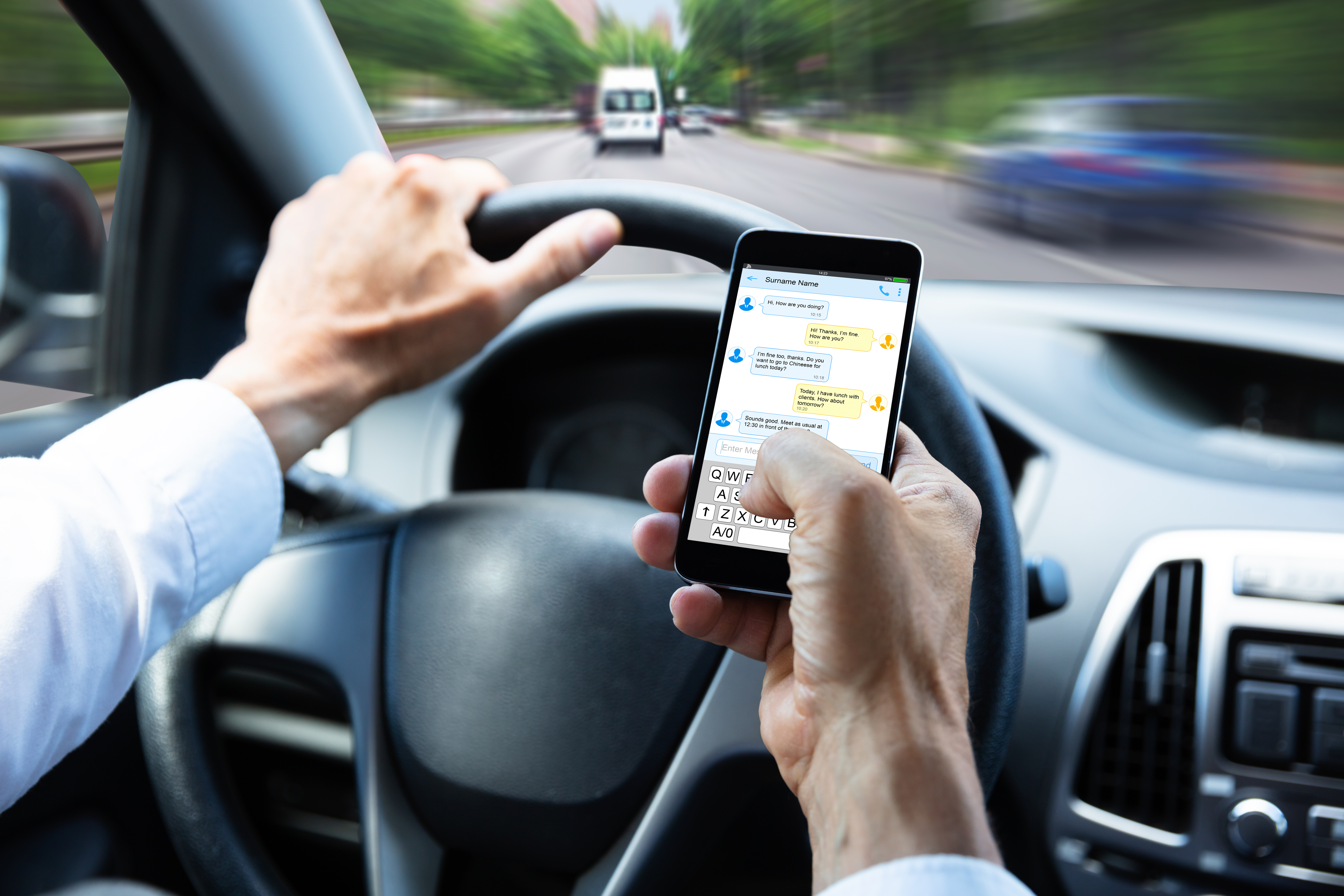
Over the years, distracted driving has become one of the leading causes of preventable auto accidents. Despite ongoing public awareness campaigns and stricter crackdowns on violators, too many drivers still take their attention off the road, resulting in devastating consequences. In Middle Georgia, distracted driving contributes to serious injuries, long-term medical complications, and even fatalities.
But what exactly is considered distracted driving? How does Georgia law define it, and what should you do if you’re injured in a crash caused by a distracted driver? Below, we break down the essentials every driver should know about this dangerous driving habit.
What Is Distracted Driving?
Distracted driving occurs when a driver takes their eyes off the road and their mind away from operating their vehicle, even if it’s just for a moment. Distractions can involve the driver’s hands or eyes, and they always affect their attention. In many cases, the distraction is enough to risk causing a serious accident.
Safety experts classify distractions into three main categories:
1. Visual Distractions
Visual distractions require you to take your eyes off the road, whether it’s to look at your phone, the radio, or even a billboard. Even a few seconds of looking away can lead to a collision, especially when traveling at higher speeds.
2. Manual Distractions
Manual distractions involve removing one or both hands from the wheel to perform an action, such as grabbing a beverage from the cup holder, reaching for an item on the passenger seat, or retrieving something from the back seat. Without complete control of the wheel and a focus on the road, drivers have a reduced ability to react to sudden changes.
3. Cognitive Distractions
Cognitive distractions occur when a driver’s mind is not focused on driving. This could include thinking about what’s for dinner, replaying a months-old conversation in your head, and anything in between. Even if your hands are on the wheel and your eyes are forward, mental distraction slows reaction time and reduces awareness.
Most distracted driving behaviors involve more than one category of distraction. For example, texting is a visual, manual, and cognitive distraction all at once—one reason it’s so dangerous and against the law.
Examples of Distracted Driving
Distracted driving goes far beyond texting. Here are some of the most common behaviors that have often led to car accidents:
1. Using a Cell Phone
Texting is the most recognized form of distracted driving, but it’s not the only way cell phone use poses a risk on the road. Distractions can also include:
- Checking GPS or navigation apps
- Browsing social media
- Watching videos
- Talking on handheld devices
- Taking photos or videos
Georgia’s Hands-Free Law prohibits drivers from holding a phone or supporting one with their body, making these acts not only dangerous but illegal.
2. Eating or Drinking
 Many Middle Georgia drivers eat on the go, but even unwrapping a sandwich or picking up a cup or bottle can take a driver’s hands, eyes, and concentration off the road.
3. Interacting With Passengers
Talking to passengers, helping children in the backseat, or managing pets in the car can all lead to cognitive and visual distractions that pose a danger.
4. Adjusting Vehicle Controls
Changing the radio station, climate settings, or mirrors can divert a driver’s attention, even if only for a brief moment.
5. Reaching for Items
Grabbing an object from the floorboard, glove box, back seat, or any other area of the car takes the driver’s eyes off the road and hands off the wheel.
6. Personal Grooming
Applying makeup, shaving, brushing hair, and similar behaviors make it impossible to pay complete attention to the road.
7. Daydreaming or Fatigue
Mental distraction is often overlooked, but even thinking deeply about something, letting your mind wander, or driving while tired can impair reaction time.
8. Using In-Vehicle Technology
Touchscreens, infotainment systems, and digital dashboards add convenience, but they can also create distractions when used while driving.
Any activity that makes a driver less focused on the road, less aware of their surroundings, or slower to respond can be considered distracted driving.
Why Distracted Driving Is So Dangerous
The danger of distracted driving boils down to reduced reaction time and impaired decision-making. When a driver is distracted, they are less likely to notice the actions of other drivers or pedestrians, as well as sudden stops, lane changes, road hazards, construction zones, cyclists, and numerous other factors that require full attention.
Even a momentary distraction can lead to rear-end collisions, side-impact crashes, or head-on collisions, resulting in serious injuries like:
- Broken bones
- Traumatic brain injuries
- Spinal cord damage
- Internal injuries
- Soft tissue damage
- Permanent disability
It’s not uncommon for victims of distracted driving to frequently require long-term medical care, rehabilitation, and time away from work, all of which could have been avoided if the at-fault driver had been paying attention.
What to Do if You’re Involved in a Distracted Driving Accident
If you believe the driver who hit you was distracted, your next steps can significantly impact your health, your ability to recover compensation, and your legal case.
These are the steps the car accident attorneys at Buzzell, Welsh & Hill recommend:
1. Call 911 Immediately
A police report creates official documentation of the crash. It may include observations about distracted driving or citations issued to the other driver.
2. Seek Medical Attention
Even if injuries feel minor, get evaluated. Some injuries, particularly concussions and internal damage, aren’t immediately noticeable.
3. Gather Evidence at the Scene (If You Can)
Be sure to collect:
- Photos of the vehicles, road conditions, and injuries
- The other driver’s information
- Contact information from witnesses
- Any signs of distraction, if possible (e.g., images of the phone on the driver’s lap or in their hand)
If you’re unable to gather evidence due to injuries, the police report and witness statements can still help build your case.
4. Do Not Discuss Fault With the Other Driver
Anything you say to the other driver can be used against you later. Stick to exchanging essential information only.
5. Contact a Personal Injury Attorney
Distracted driving cases often require evidence such as:
- Cell phone records
- Surveillance footage
- Data from vehicle systems
- Witness testimony
- Accident reconstruction
An experienced lawyer can gather this evidence, negotiate with insurance companies, and pursue maximum compensation for medical bills, lost wages, pain and suffering, and other related expenses.
Buzzell, Welsh & Hill has decades of experience representing accident victims across Middle Georgia. The firm understands how to identify signs of distracted driving and build strong cases that hold negligent drivers accountable.
Distracted Driving Is Preventable, And You Have Rights If You’re Hurt
Distracted driving accidents can be life-altering, but victims still have rights and options to pursue justice. If you or a loved one has been injured because another driver chose to look at their phone, take their hands off the wheel, or engage in any other distracting behavior, you may be entitled to compensation under Georgia law.
The team at Buzzell, Welsh & Hill is here to help you understand your options, protect your rights, and fight for the recovery you deserve.
Get the Support You Need to Fight a Distracted Driving Case. Contact the Car Accident Lawyers at Buzzell, Welsh & Hill in Macon Today: 478-217-2072
If you’ve been hurt in a car accident because of distracted driving, reach out to the BWH team for exceptional legal guidance. We will review your case and initiate the claims process to pursue the compensation you deserve.
Tell us about your case today by calling 478-217-2072
Related Articles
- What Is the Statute of Limitations for a Car Accident Claim in Georgia
- How Is Fault Determined for a Car Accident in Georgia
- What Should I Do Immediately After a Car Accident?
- Uninsured Motorist Coverage in Georgia: What You Need to Know
Recent Success Stories
- BWH’s Fight for Justice After a Child’s Catastrophic Injury
- How BWH Fought on Behalf of a Teen in a Work-Related Accident
- How BWH Got Insurance to Pay for a Wreck-Related Injury
