
Georgia E-Bikes: Classifications, Laws & Accident Liability
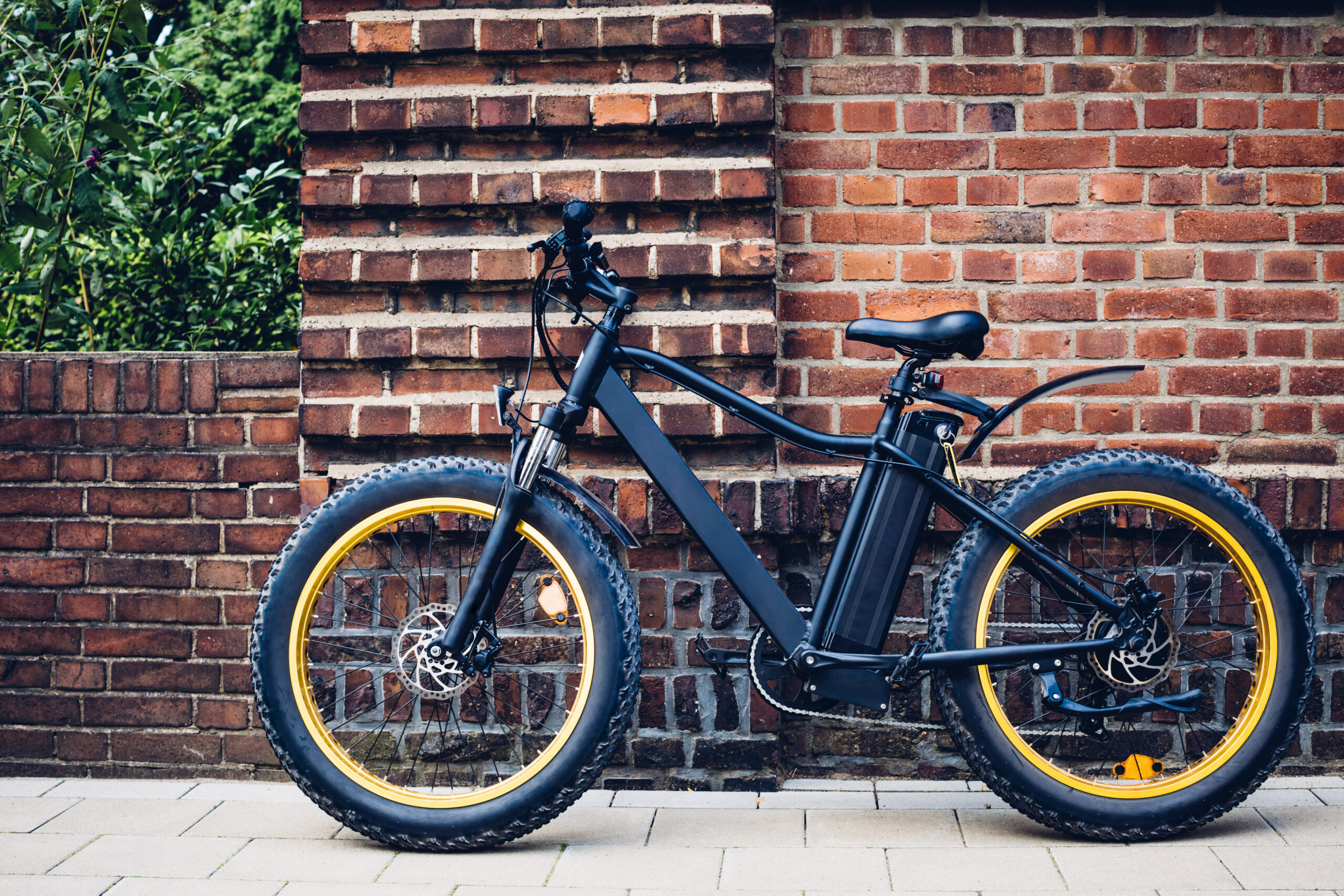
E-bikes in Georgia are legal to ride without a license, registration, or insurance, but only if they meet the state’s definition of an “electric-assisted bicycle.” Georgia sorts e-bikes into three classes based on speed and how the motor engages, and each class comes with different rules for helmets, paths, and age. Devices that exceed those limits may fall outside Georgia’s definition of an e-bike and be subject to different licensing, insurance, and operating requirements. This can significantly complicate an accident claim. If you’re hurt in an e-bike accident, the circumstances of the accident, along with the e-bike’s classification, will likely determine liability and recovery.
Key Takeaways
- Georgia recognizes three e-bike classes: Class 1 and 2 (pedal-assist or throttle, capped at 20 mph) and Class 3 (pedal-assist, capped at 28 mph, helmet required).
- A qualifying e-bike rider has the same rights and duties as a regular cyclist under Georgia traffic law.
- E-bikes exceeding 750 watts or the class speed limits may fall outside Georgia’s legal definition of an e-bike and be subject to different laws and requirements.
- Rules for local sidewalks, downtown districts, multi-use paths, and other ordinances vary by municipality and can place additional restrictions beyond those established by the state.
- Fault in an e-bike accident is determined under Georgia’s modified comparative negligence rule, which can reduce or eliminate a claim depending on the e-bike rider’s conduct.
The Rise of E-Bikes in Georgia
E-bikes have become a popular mode of transportation for many Georgia commuters, especially those in more condensed or urban areas, including Atlanta, Macon, Milledgeville, Dublin, Forsyth, and others. Cities with college campuses have also noticed a rise in e-bike usage as they help students reach different corners of campus far faster than regular cycling or walking.
But with this increase in e-bikes, there is still a lot of confusion about how these devices are classified and what the rules of the road are for them. Plus, if there is an accident involving an e-bike, there can be confusion about what the at-fault party and victim should expect.
Let’s break down the more high-level aspects of e-bikes in Georgia, from their classifications and road rules to the liability in an e-bike accident.
Requirements and Classification: How Georgia Defines E-Bikes
According to Georgia law, an e-bike, or electric assisted bicycle, must have:
- Two or three wheels
- Seat
- Fully operative pedals
- An electric motor rated at no more than 750 watts
If a device meets these criteria, Georgia law considers it to be on the same legal level as a traditional bicycle, and the rider is subject to the same rights and responsibilities as a typical cyclist. Riders do not need a driver’s license, vehicle registration, or insurance coverage.
However, if an e-bike’s motor is more powerful than 750 watts, the pedals are only for decoration, or the top speed exceeds what classifications allow, it falls outside the e-bike definition, and different licensing and insurance obligations may apply.
Georgia’s Three E-Bike Classes
Georgia sorts qualifying e-bikes into three classes:
Class 1: Pedal-assist only (no throttle), and motor assistance cuts off at 20 mph.
Class 2: Can include a throttle, but motor assistance still caps at 20 mph.
Class 3: Pedal-assist only, but motor assistance continues up to 28 mph.
Class 3 bikes must have a speedometer, and both the rider and any passenger are required to wear a bicycle helmet.
Manufacturers are required to permanently label each e-bike with its class, top assisted speed, and motor wattage. Tampering with a bike’s speed controls to make it ride faster can push it outside its labeled classification, which may change the laws and requirements that apply to the bike. An altered e-bike can also raise additional issues if you’re later involved in an accident.
General Road Rules and Laws for E-Bikes
Because a qualifying e-bike is treated like a bicycle, riders must abide by the same road rules as any other cyclist. Roads, bike lanes, and most bike paths are open to Class 1 and 2 e-bikes. Class 3 e-bikes face more restrictions and are generally limited to roadways and paths that run alongside a roadway, unless a specific path has opted to allow them.
Sidewalk rules can be more complicated. Georgia law generally restricts adult riders from cycling on sidewalks, though some local rules may apply. E-bike riders in Macon, Warner Robins, or anywhere else in Middle Georgia should check local ordinances rather than assume statewide rules apply everywhere, since enforcement and access can change, even from one block to another.
What Happens When an E-Bike Exceeds Classification Criteria
Safety and legal risks are highest with devices that blur the line between e-bike and motor vehicle. A throttle-only device with no functional pedals, a motor with wattage well above 750, or a device with a motor that exceeds a speed of 28 mph may fall outside the state’s legal definition of an e-bike, regardless of what it’s marketed as.
If your e-bike does not meet any of the Class 1, 2, or 3 criteria, you can expect the following issues if you are pulled over or become the victim of an accident while on your device:
Insurance Coverage
A policy that would cover an ordinary bicycle accident may treat an unclassified high-speed device differently.
Legal Consequences Surrounding Your License or Registration
If your device falls outside Georgia’s e-bike classifications, different licensing, registration, or insurance requirements may apply depending on how the device is legally classified.
Shift in Fault
If you are injured by another driver or rider while operating a non-compliant device, it could negatively impact your injury claim. Or, if your e-bike meets classification criteria, but you were violating traffic laws when the accident occurred, that could also put your compensation at risk.
How Liability Works in a Georgia E-Bike Accident
Georgia follows a modified comparative negligence rule. In practice, that means an injured rider can still recover damages even if they were partially at fault, as long as their share of fault is under 50%.
Compensation is calculated as:
Total damages × (1 − rider’s percentage of fault) = recoverable amount
For example, let’s say a rider is found to be 20% at fault for a $100,000 claim. The rider could still recover $80,000 from the accident:
- $100,000 x (1 – 20%)
- $100,000 x 80%
- $80,000
However, a rider found 50% or more at fault recovers nothing.
This is why the circumstances surrounding the accident, including whether the rider and others involved were following applicable traffic laws, can be important when determining fault and compensation.
Common Causes of an E-Bike Accident
Common factors that contribute to an e-bike accident include:
- Drivers failing to yield to e-bike riders
- Drivers misjudging an e-bike’s speed
- Riders traveling against traffic or riding outside a legal lane
- Riders failing to use required lighting at night
- Riders operating a non-compliant or modified device
- Riders violating path or sidewalk laws under local ordinance
Frequently Asked Questions About E-Bikes in Georgia
Do I need a license to ride an e-bike in Georgia?
No, riders do not need a driver’s license to operate an e-bike in Georgia. As long as the device meets Georgia’s electric-assisted bicycle definition (750 watts or less, functional pedals, and within a class’s speed cap), no license, registration, or insurance is required.
What’s the difference between a Class 2 and Class 3 e-bike?
Class 2 e-bikes may have a throttle but are capped at 20 mph. Class 3 e-bikes are pedal-assist only but can reach 28 mph. Class 2 e-bike riders are not required to wear a helmet, but Class 3 riders must wear a helmet.
Can I ride my e-bike on the sidewalk in Georgia?
Generally speaking, adult riders cannot ride their e-bikes on the sidewalk in Georgia. State law restricts sidewalk riding. However, rules vary locally, so check your city’s ordinance.
What if the e-bike involved in my accident wasn’t legally classified?
If you are operating an e-bike that exceeds Georgia’s wattage or speed limits, it may be treated differently, which can change what insurance applies and how fault is assessed.
Does wearing a helmet affect my claim if I’m in a Class 3 e-bike accident?
It can, especially since Class 3 e-bike riders are legally required to wear a helmet. If you are injured while riding without one, it could become an issue in your injury claim, particularly if you suffered a head injury.
If You Have Been Hurt in an E-Bike Accident in Middle Georgia, Call the Accident Attorneys at Buzzell, Welsh & Hill: 478-217-2072
E-bike classification can get complicated fast and can affect your injury claim. If you or a loved one has been hurt in an e-bike accident in Macon, Warner Robins, or anywhere in Middle Georgia, Buzzell, Welsh & Hill is here to help you understand your rights and pursue the compensation you deserve.
Contact us today for a free consultation: 478-217-2072.
Buzzell, Welsh & Hill is a personal injury and workers’ compensation firm based in Macon, Georgia, serving clients throughout the Middle Georgia region, including, but not limited to:
- Dublin, GA
- Forsyth, GA
- Macon, GA
- Milledgeville, GA
- Perry, GA
- Warner Robins, GA
Related Articles
- The Rising Dangers of Cycling in the U.S.
- Pedestrian Safety Middle Georgia: Tips to Staying Safe on the Road
- Improving Pedestrian Safety in Macon
- Important Steps To Take After a Macon Pedestrian Accident
Recent Success Stories
- How BWH Protected a Truck Driver’s Dependents and His Dignity
- How A Semi-Truck Accident on I-16 Led to a Fight for Justice
- BWH Put Up a Long Fight for Dependency Benefits
- How BWH Got Insurance to Pay for a Wreck-Related Injury
