
Fatal Truck Accidents in Georgia: What Families Need to Know
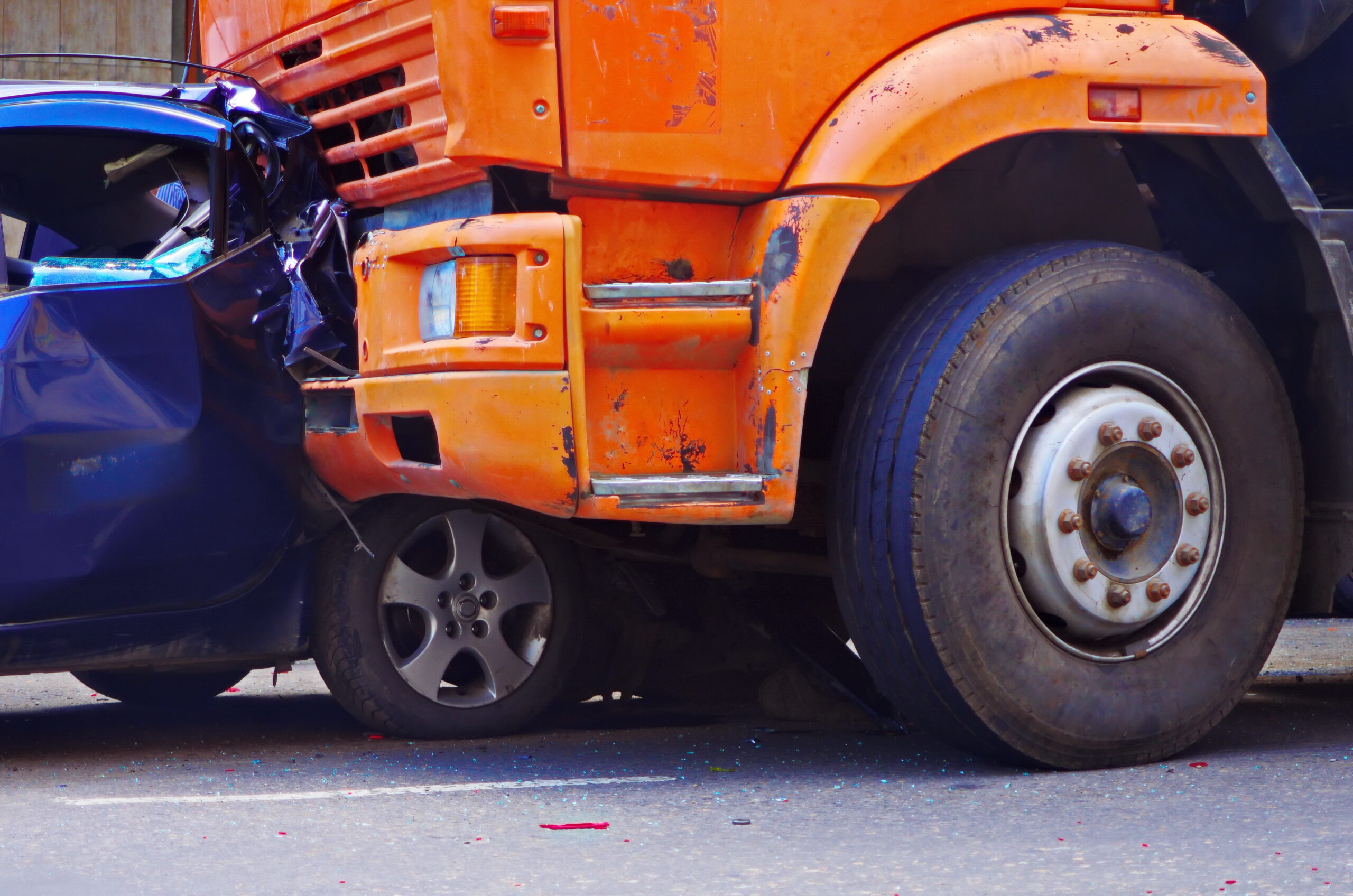
Nothing hurts as much as losing a loved one, but the pain can feel compounded when the loss is due to the negligence of others. Take, for instance, the devastating experience of losing someone in a fatal trucking accident. Such a tragedy not only leads to grief, but it also forces you to navigate complex legal and financial hurdles.
Understanding your rights and the steps to take can help protect your family’s future during such an incredibly difficult event.
If your family is dealing with the aftermath of a fatal truck accident, we’re here to provide you with the information you need to know right now.
Truck Accidents Are Inherently Different From Passenger Vehicle Accidents
Accidents involving large commercial trucks, including semi-trucks, box trucks, and specialized vehicles—dump trucks, cement mixers, tow trucks, etc.—are often far more severe than your typical car crash. Because of their size and weight, these trucks are fundamentally positioned to cause more catastrophic damage in a wreck, often resulting in significant injuries or even death.
In Georgia, fatal truck accidents can occur on any road that allows large commercial trucks to pass. Still, some of the most common accident locations include:
- Interstates
- S. routes
- State routes
These roads are frequently used by commercial trucks and passenger vehicles, wherein higher speeds and heavier traffic increase the risk of serious collisions.
But vehicle size, weight, and speed aside, these types of accidents are especially complex because they often involve multiple parties and layers of liability. In a trucking accident, the truck driver, trucking company, cargo loaders, maintenance providers, or vehicle or parts manufacturers may be held accountable for the crash. Because of this level of complexity, it’s critical for families to seek legal guidance after a fatal truck accident.
Common Causes of Fatal Truck Accidents
Getting to the bottom of what caused the crash is a critical part of any legal claim. Some of the most common causes of fatal truck accidents in Georgia include:
- Driver fatigue: Federal regulations limit how long truck drivers can be on the road, but increased demand, tight deadlines, and driver shortages lead to frequent violations.
- Distracted driving: Texting, using a GPS device, or other distractions can lead to deadly mistakes.
- Speeding or aggressive driving: Large trucks require more time to stop, making frequent lane-shifting and high-speed travel especially dangerous.
- Improperly loaded cargo: Shifting or overloaded cargo can cause balance issues and dangerous instability, leading a driver to lose control of the truck.
- Mechanical failures: Brake failures, tire blowouts, and other maintenance issues can contribute to fatal crashes.
- Driving under the influence: Though most don’t, some truckers do drive impaired by alcohol, drugs, or other mind-altering substances, causing catastrophic consequences.
A thorough investigation of the truck driver and the conditions of the truck is often required to determine exactly what happened and who should be held accountable for the accident.
Understanding Trucking Accident Liability
One of the most important elements to determine in a fatal trucking accident is the party or parties responsible for the wreck.
In Georgia, liability may extend beyond just the driver. Depending on the circumstances, responsible parties may include:
- The truck driver, if negligence like fatigue or distraction played a role.
- The trucking company, if they carried out poor hiring practices, failed to adequately train drivers, or encouraged safety regulation violations.
- A maintenance company, if faulty repairs contributed to the crash.
- A cargo company, if improper loading caused instability.
- A manufacturer, if a defective part led to failure.
The victim may also be found to be partially at fault for the accident. However, Georgia follows a modified comparative negligence rule, meaning compensation may still be available if the victim was less than 50% at fault. But keep in mind that compensation is reduced based on their percentage of responsibility.
Because of these complexities, fatal truck accident claims often require a detailed evaluation of evidence, including driver logs and black box data, maintenance records, dash cam footage, and other available evidence.
What Families Should Do After a Fatal Truck Accident
In the immediate aftermath of a tragedy, legal concerns may not be your first priority. However, taking certain steps early can help protect your rights. An experienced truck accident attorney will help you:
1. Request the Accident Report
Georgia law enforcement agencies will prepare an official crash report following the accident. Be sure to obtain a copy, as this document will provide key details about the incident.
2. Preserve Evidence
Critical evidence like truck data, surveillance footage, and witness statements can disappear quickly. Acting early to gather these and other pieces of evidence helps ensure it is preserved.
3. Avoid Speaking With Insurance Companies Alone
Insurance adjusters may contact you soon after the accident. While they may seem helpful, their goal is often to limit payouts. It’s wise to proceed carefully before providing statements or accepting settlements.
4. Understand the Statute of Limitations
In Georgia, families generally have two years from the date of death to file a wrongful death claim. Missing this deadline can mean losing the right to seek compensation.
Filing a Wrongful Death Claim in Georgia
When the negligence of others causes a fatal truck accident, surviving family members may have the right to file a wrongful death claim.
In Georgia, this type of claim is typically brought by:
- A surviving spouse
- Children of the deceased
- Parent(s) of the deceased
- The estate representative
A wrongful death claim can seek compensation for:
- The full value of the deceased person’s life
- Lost income and benefits
- Loss of companionship and care
- Funeral and burial expenses
These claims are not just about financial recovery but about accountability and justice.
How a Truck Accident Attorney Can Help
Fatal truck accident cases are among the most complex personal injury claims, and they should not be handled alone. A skilled, experienced attorney (like those at Buzzell, Welsh & Hill) helps by:
- Conducting a full investigation into the crash
- Identifying all responsible parties
- Preserving and analyzing key evidence
- Handling communications with insurance companies
- Calculating the full extent of your family’s losses
- Representing you in court, if needed
- Fighting for fair compensation
For families in Georgia, working with a firm like BWH, which is familiar with both state laws and federal trucking regulations, can make a significant difference when it comes to representation and possible outcomes.
BWH Supports Your Family Through the Legal Process
No legal action or financial outcomes can make up for the loss of a loved one. However, pursuing a claim can help provide the financial stability you may need at this time and bring about a sense of justice.
Buzzell, Welsh & Hill works with families across Middle Georgia who are facing such difficult circumstances, helping them understand their options, taking the next steps forward, and advocating fiercely on their behalf.
Frequently Asked Questions About Trucking Accidents
What should I do after a loved one’s fatal truck accident in Georgia?
After a loved one’s fatal trucking accident, you should obtain the accident report, avoid speaking with insurance companies alone, and speak with a wrongful death attorney as soon as possible.
Who can file a wrongful death claim in Georgia?
Typically, the surviving spouse has the first right to file. If there is no spouse, children or the estate representative may pursue the claim.
How long do I have to file a wrongful death claim in Georgia?
In most cases, you have two years from the date of your loved one’s death to file a wrongful death claim. Certain circumstances may affect this timeline, so it’s important to act quickly.
Can multiple parties be held responsible for a fatal truck accident?
Yes, multiple parties can be held responsible for a trucking accident. Liability may include the truck driver, trucking company, maintenance providers, cargo loaders, or even manufacturers, depending on the cause of the crash.
What if my loved one was killed while working?
If your loved one was killed by a semi-truck or commercial truck while on the road for their job, your family may be eligible for workers’ compensation death benefits and may also have a third-party wrongful death claim if another party caused the accident. Talk to a trucking accident attorney to understand your case and your options.
Call Buzzell, Welsh & Hill for the Representation You Need Following a Fatal Trucking Accident: 478-217-2072
If your family has lost a loved one in a fatal truck accident, you don’t have to navigate your next steps alone. The truck accident attorneys at BWH are here to help you understand your rights and pursue the compensation your family deserves.
Call Buzzell, Welsh & Hill today to schedule a free consultation. Taking that first step can help you protect your future while honoring your loved one’s memory: 478-217-2072
Related Articles
- Do I Need a Car Accident Lawyer After a Wreck?
- How to Handle a Car Accident Injury in Georgia
- What Is Considered Distracted Driving
- What Is the Statute of Limitations for a Car Accident Claim in Georgia
Recent Success Stories
- How BWH Protected a Truck Driver’s Dependents and His Dignity
- How A Semi-Truck Accident on I-16 Led to a Fight for Justice
- BWH Put Up a Long Fight for Dependency Benefits
- How BWH Got Insurance to Pay for a Wreck-Related Injury
